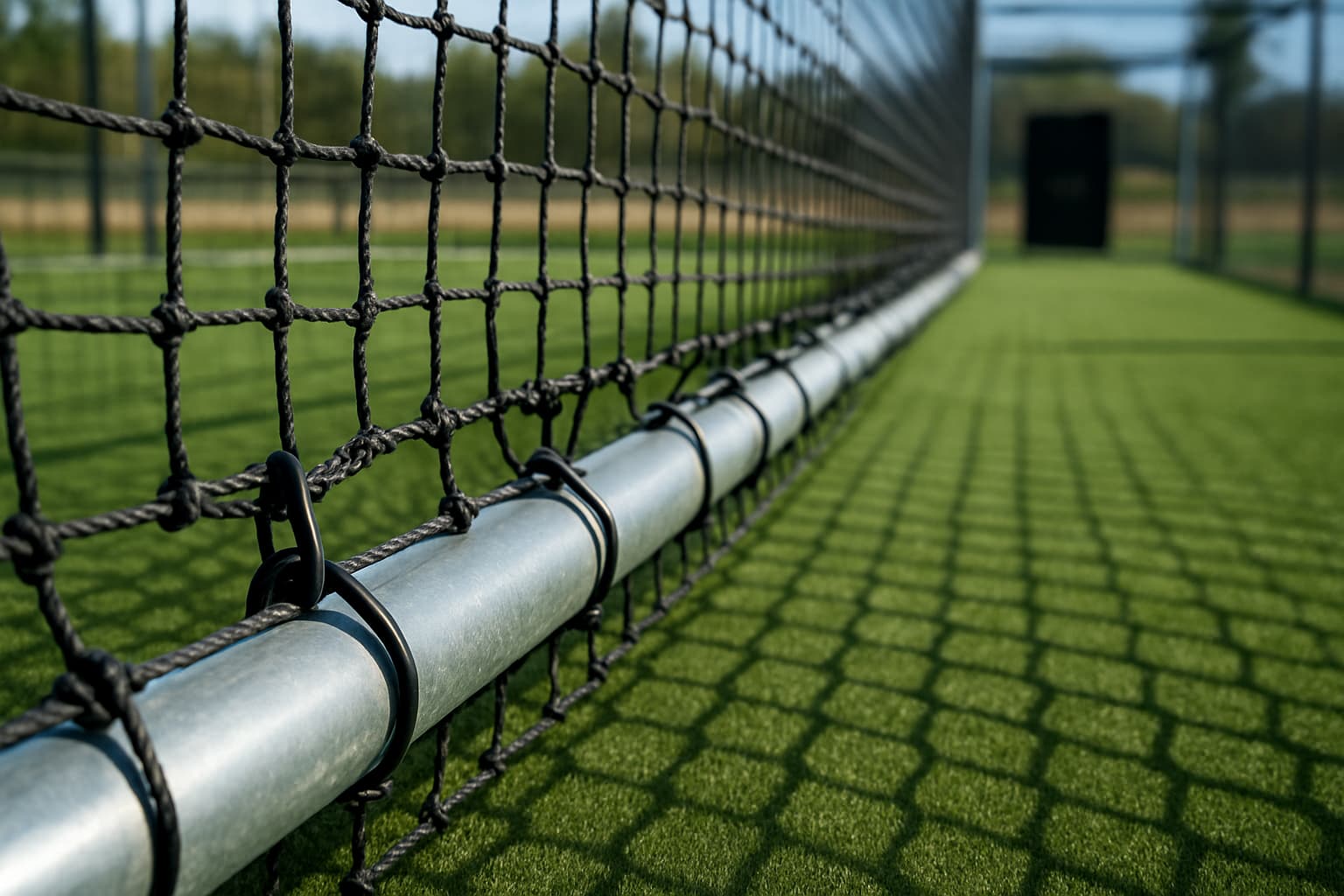
When building a batting cage, you have three primary paths: custom-built by a professional, DIY from scratch, or purchasing a ready-made kit. Each has distinct advantages depending on your budget, skill level, and long-term goals. Here's how they compare.
Option 1: Custom Professional Build
A professional batting cage contractor designs and builds your cage from the ground up, typically offering customization in size, framing style, surface, and amenities.
Pros
- Expert installation — no worrying about structural integrity
- Fully customized to your yard and needs
- Often includes warranty on materials and labor
- Faster completion than a solo DIY project
Cons
- Most expensive option — typically $8,000–$25,000+
- Finding a reputable contractor can be difficult in some areas
- Less hands-on involvement means less knowledge if repairs are needed
Option 2: DIY Build from Scratch
You source the materials yourself (poles, netting, hardware) and build the cage without a kit or contractor.
Pros
- Most customizable option at any price point
- Lowest material cost for the quality level achieved
- Builds personal knowledge for maintenance and repairs
Cons
- Time-intensive — multiple weekends for a quality build
- Requires research, planning, and comfort with tools
- Mistakes can be costly if structural elements are wrong
Option 3: Ready-Made Kit
Companies like Cimarron, Jugs, and Muhl Tech sell complete cage kits that include poles, hardware, and netting. You assemble them yourself.
Pros
- Everything included — no sourcing individual components
- Clear instructions make assembly accessible for most homeowners
- Middle ground between full DIY and custom builds in cost
Cons
- Less customizable than scratch builds
- Kit quality varies significantly by brand and price point
- Premium kits approach custom build costs
Which Should You Choose?
- Tight budget + hands-on: DIY from scratch
- Want convenience but willing to assemble: Ready-made kit
- Want perfection or lack time: Custom professional build
- Planning to list on CageList: Any of the above, but prioritize quality materials regardless of path
Keep exploring on CageList
- Read the batting cage build guide
- Estimate batting cage ROI
- Compare batting cage quality tiers
- Join the CageList builder network
What to decide before you spend money
The best batting cage build decisions start with use case. A youth player who needs tee work and front toss does not need the same structure as a high school team running machine rounds, and a host planning to rent cage time on CageList has different needs than a homeowner building only for family use. Before buying materials, define the player level, expected weekly use, weather exposure, available footprint, and whether the cage might eventually become a rentable asset.
Build quality matters because batting cages take repetitive abuse. Netting, frame stability, drainage, surface choice, lighting, and safe equipment placement all affect how long the cage lasts and how confident players feel inside it. A cheaper build can make sense, but only if it is honest about its limits.
CageList build lens
CageList looks at builds through two questions: does it help players get better reps, and could a guest understand and trust the setup from a listing page? Clear dimensions, safe spacing, clean turf or flooring, good photos, and simple rules all make a cage easier to use and easier to rent.
FAQ
Should I build once or upgrade over time?
Upgrade over time if budget is tight, but do not compromise on safety basics: net condition, frame stability, distance from hazards, and clear hitting zones.
What makes a cage more rentable?
Lighting, turf, a reliable machine, L-screen, balls, parking instructions, and clean photos usually matter more than flashy extras.
Before the final decision
Walk the space like a guest would. Check where a hitter stands, where balls can escape, where spectators wait, how water drains, and how the cage will look in photos. That perspective catches problems that a materials list misses and helps the finished cage become safer, clearer, and more useful.
Get the numbers
Get your free batting cage cost estimate
Enter your email and we'll send you an itemized build breakdown — frame, netting, turf, lighting, and install — plus what a cage like yours could earn if you rent it out.
No spam, unsubscribe anytime. Prefer the interactive tool? Open the full cost calculator.
Already have a cage?
Rent it out when you're not hitting
Players, parents, and coaches near you are looking for cage time. Listing is free, you set your own price and hours, and you approve every booking.
Related Guides
View all articles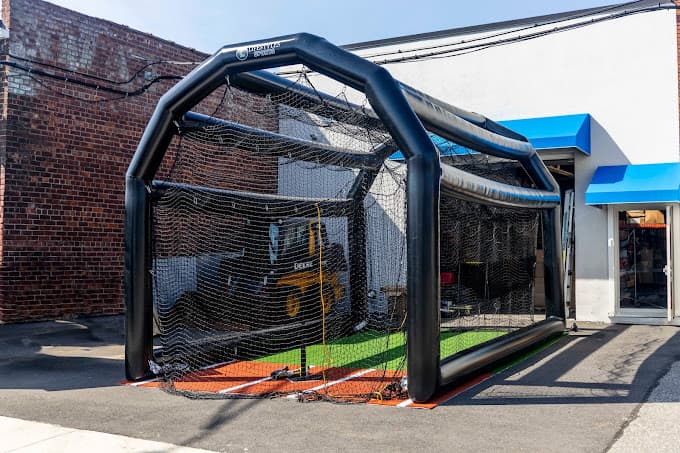
Build a Batting Cage
Inflatable Batting Cages: What They Cost, and Whether They Pay for Themselves
Inflatable batting cages run from $1,500 party units to $10,000 branded commercial builds, and only one manufacturer publishes a real price. What each tier costs, why $3,999 is not the price of a cage, and the booked hours it takes to pay one off.
Build a Batting Cage
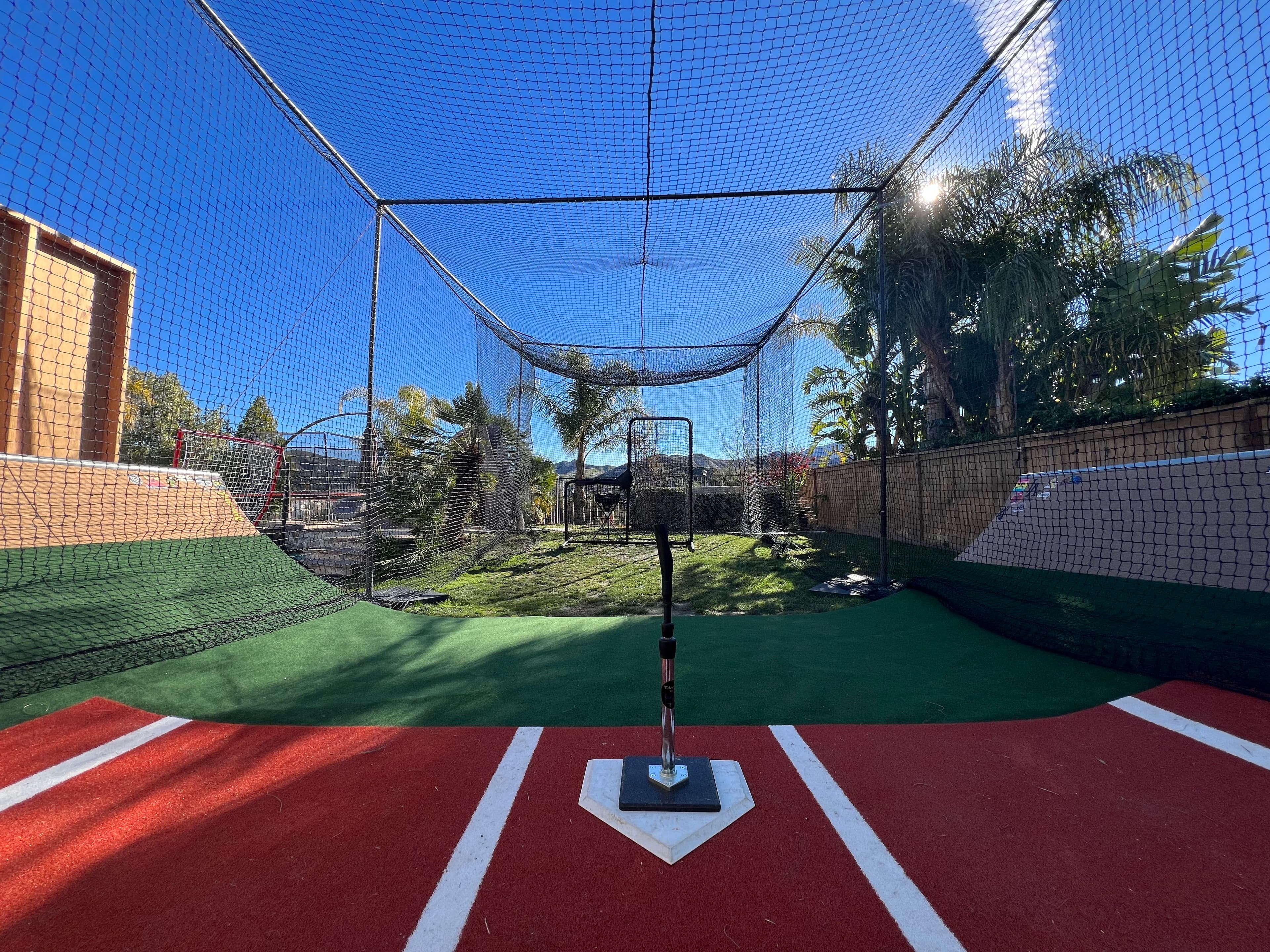
27 Types of Batting Cage: A Photo Field Guide to Every Backyard Setup in America
Barn conversions, driveway slivers, retractable tunnels, ranch cages and climate-controlled outbuildings. A photo field guide to 27 kinds of batting cage, built from 214 real bookable listings on CageList, with what each one costs and who it is for.
Build a Batting Cage
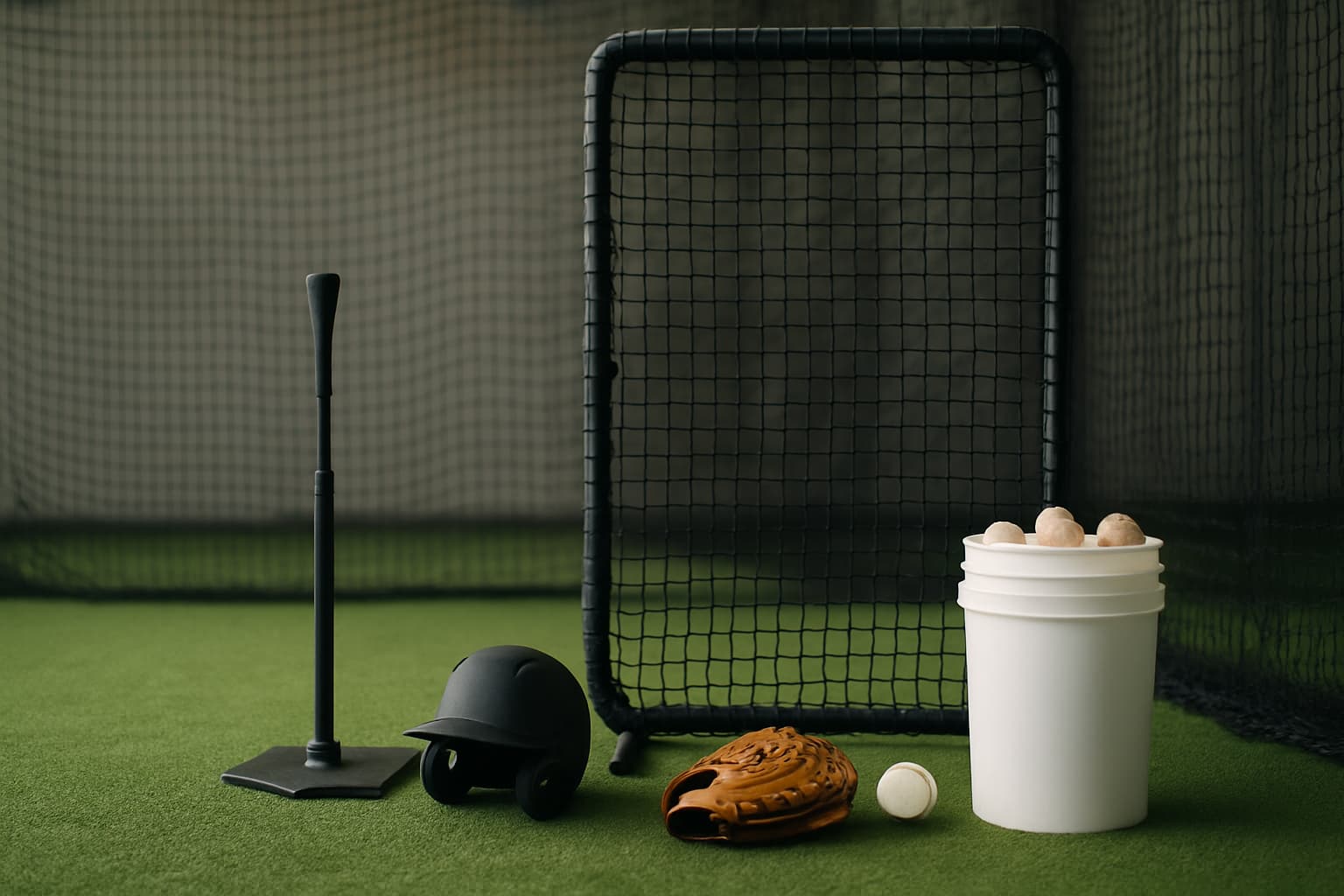
Backyard Batting Cage Kits, Compared: What You Really Get at Each Price (2026)
Every price tier of backyard batting cage, honestly compared — the companies, the netting grades, the realistic lifespan, and what a cage that survives real hitters (or paying renters) actually needs.
Run a travel team? Get your free page.
Baseball or softball. Claim a free directory page, post tryouts, and share cagelist.com/@yourteam with families.
Find your league
Free directories of real leagues and clubs near you — then book a batting cage to get your reps in before opening day.
1,000 organizations

Join the backyard batting cage community
Talk builds, gear, hosting and player development with cage owners, coaches, parents and baseball families.