Thinking about building a backyard batting cage? You're not alone. Every week, thousands of parents and players across the country start researching their first build. Here are the most frequently asked questions — answered honestly.
How much does a backyard batting cage cost?
The honest answer: anywhere from $500 to $20,000+. A basic DIY frame with budget netting runs $500–$2,000. A quality build with steel poles, #36 netting, turf, and a pitching machine runs $5,000–$15,000. A permanent covered structure with lighting can exceed $20,000.
What size batting cage do I need?
- Youth (ages 5–10): 35 feet is sufficient
- Middle school (ages 11–14): 50–55 feet
- High school and adult: 60–70 feet minimum
- For pitching machines: Add 10 feet beyond your player's age recommendation
Do I need a permit to build a batting cage?
It depends on your location and whether the cage is permanent or portable. Many municipalities require permits for permanent structures over a certain height or footprint. Check with your local planning department before starting construction.
What's the best batting cage netting?
For most residential cages: #36 knotted nylon netting with 1¾" mesh. For heavy use or cage rentals: #42. Avoid anything below #21 — it won't hold up.
Can I build a batting cage myself?
Yes, and thousands of homeowners do. The key is proper planning, quality materials, and taking your time with the structural elements (anchoring, framing). Give yourself a full weekend for a basic build.
How long does a batting cage last?
A quality cage built with galvanized steel and commercial-grade netting can last 15–20 years with proper maintenance. Budget builds may need significant repairs or replacement within 3–5 years.
Can I rent out my batting cage?
Absolutely. CageList connects cage owners with players looking for rental time. Many owners generate $500–$3,000/month in rental income from cages they're already using for their own families.
What pitching machine should I get?
For youth players: ATEC Casey or similar single-wheel machine ($800–$1,200). For serious players and rental use: Hack Attack or Iron Mike ($2,500–$4,500). Buy for where your player will be in 3–4 years, not where they are now.
Keep exploring on CageList
- Read the batting cage build guide
- Estimate batting cage ROI
- Compare batting cage quality tiers
- Join the CageList builder network
Build decision checklist
For Building a Backyard Batting Cage: Top FAQs Answered, the most important question is not just what to buy or build. It is how the cage will be used after it is finished. A family cage for one hitter, a team practice cage, a lesson space, and a rental-ready backyard cage all need different decisions around netting, clearance, surface, lighting, storage, and safety.
Before spending money, write down the main user, the typical session length, the ball type, whether a machine will be used, and how many people need to stand safely around the cage. Those details make product choices more obvious and prevent expensive rework. If the cage may eventually be listed for rentals, prioritize clear access, predictable rules, good photos, and a layout that feels simple for a guest to understand.
CageList angle
CageList is not only for finding places to hit. It also gives builders a way to study what strong cages look like in the real world. Compare nearby batting cage listings and note how hosts describe length, lighting, machines, privacy, and guest expectations before finalizing your own setup.
Rental-ready thinking
Even if a cage starts as a personal project, it is worth thinking like a future host. Clear entry, safe walking paths, predictable ball containment, lighting, and simple rules all make the space easier for guests to understand. Those choices also make the cage easier for family members, teammates, and instructors to use.
When a build is clean enough to photograph and explain, it is also easier to list on CageList later if the owner decides to turn unused cage time into local availability.
Get the numbers
Get your free batting cage cost estimate
Enter your email and we'll send you an itemized build breakdown — frame, netting, turf, lighting, and install — plus what a cage like yours could earn if you rent it out.
No spam, unsubscribe anytime. Prefer the interactive tool? Open the full cost calculator.
Already have a cage?
Rent it out when you're not hitting
Players, parents, and coaches near you are looking for cage time. Listing is free, you set your own price and hours, and you approve every booking.
Related Guides
View all articles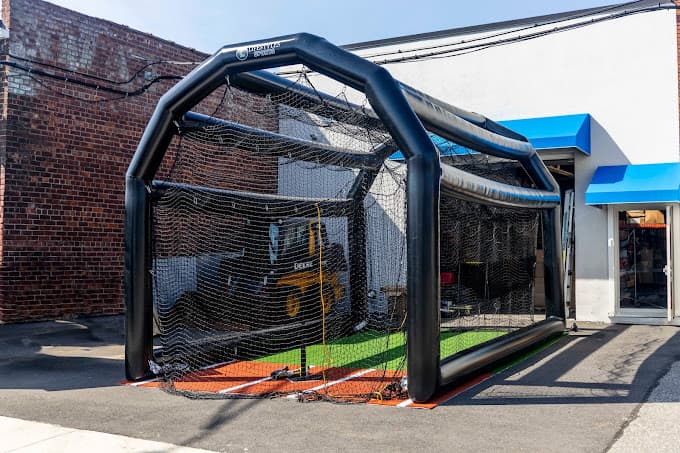
Build a Batting Cage
Inflatable Batting Cages: What They Cost, and Whether They Pay for Themselves
Inflatable batting cages run from $1,500 party units to $10,000 branded commercial builds, and only one manufacturer publishes a real price. What each tier costs, why $3,999 is not the price of a cage, and the booked hours it takes to pay one off.
Build a Batting Cage
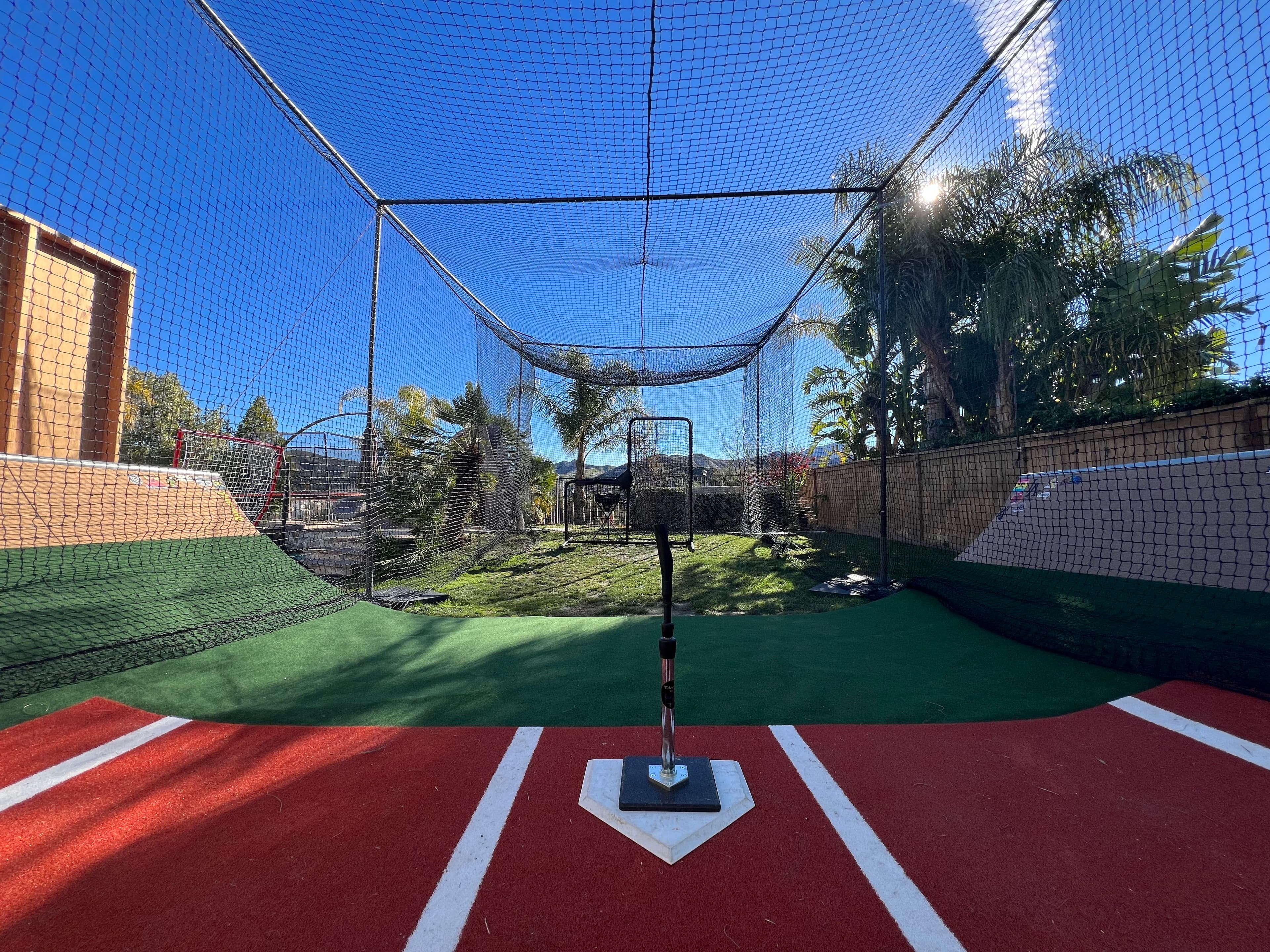
27 Types of Batting Cage: A Photo Field Guide to Every Backyard Setup in America
Barn conversions, driveway slivers, retractable tunnels, ranch cages and climate-controlled outbuildings. A photo field guide to 27 kinds of batting cage, built from 214 real bookable listings on CageList, with what each one costs and who it is for.
Build a Batting Cage
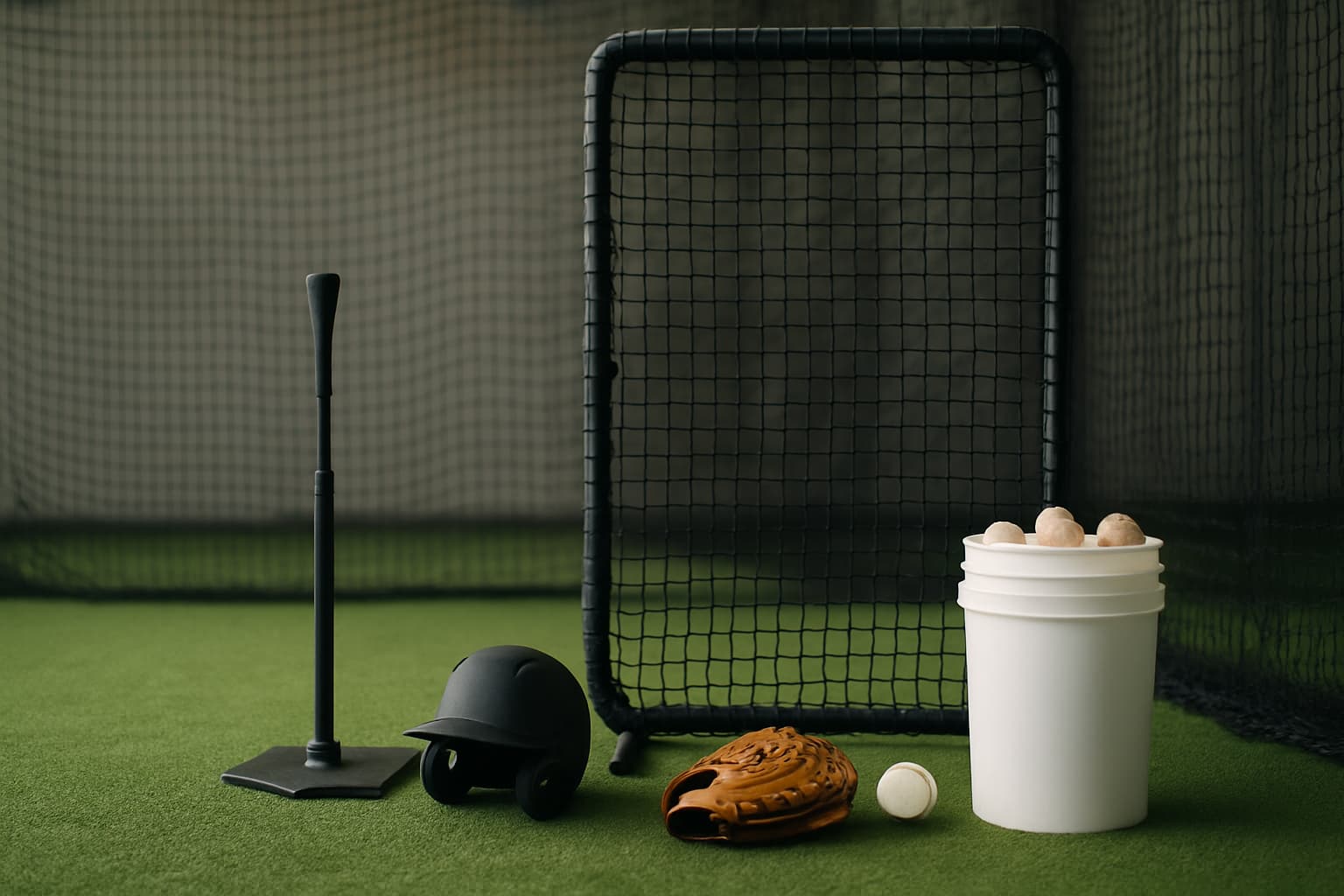
Backyard Batting Cage Kits, Compared: What You Really Get at Each Price (2026)
Every price tier of backyard batting cage, honestly compared — the companies, the netting grades, the realistic lifespan, and what a cage that survives real hitters (or paying renters) actually needs.
Run a travel team? Get your free page.
Baseball or softball. Claim a free directory page, post tryouts, and share cagelist.com/@yourteam with families.
Find your league
Free directories of real leagues and clubs near you — then book a batting cage to get your reps in before opening day.
1,000 organizations

Join the backyard batting cage community
Talk builds, gear, hosting and player development with cage owners, coaches, parents and baseball families.