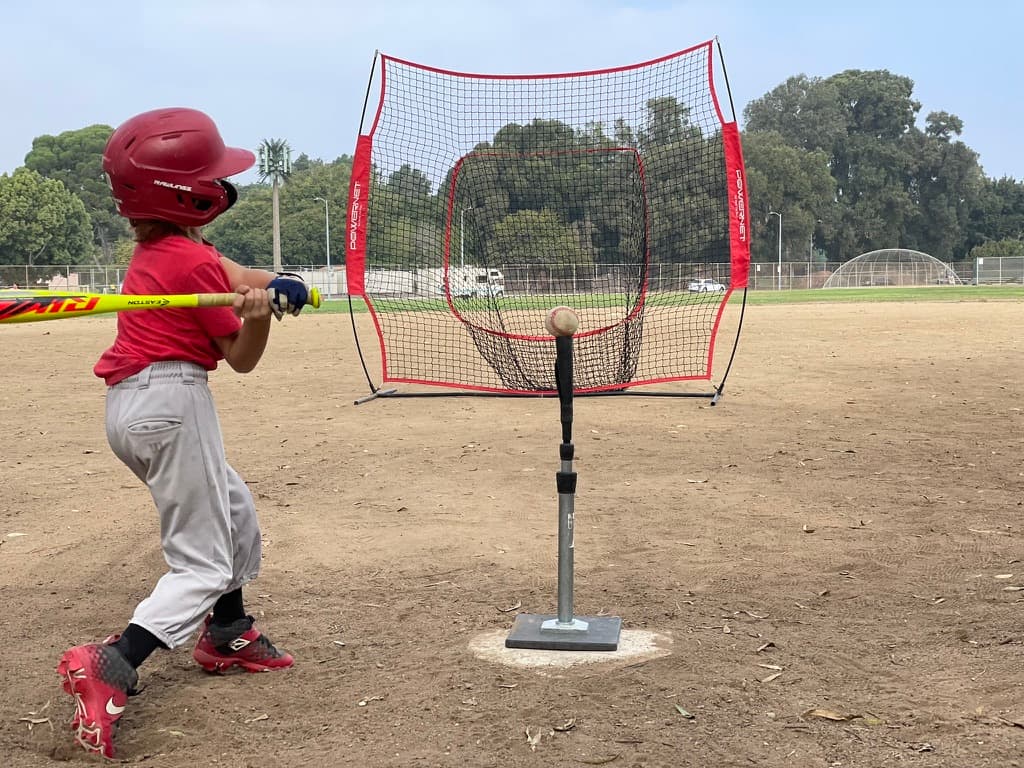
The single most common beginner-bat mistake is buying too much bat. A heavy, expensive bat a kid can't swing does nothing but slow their hands down. At every age up to about 12, the right bat is a light one they can whip through the zone — brand and price come dead last.
Here's the simple version, by age. Always check your league's rules before you buy, because the stamp on the bat matters more than anything else.
Tee-ball (ages 4–6)
Look for a short, ultralight bat with a tee-ball or "USA Baseball" stamp — usually 24–26 inches and as light as possible. This is the one place to buy new and cheap; they'll outgrow it in a season. A light USA-stamped tee-ball bat is all you need, paired with a basic adjustable helmet.
Coach-pitch and early kid-pitch (ages 7–9)
Move up an inch or two, but keep chasing a light swing weight (a bigger "drop" — length minus weight). Almost all youth leagues now require the USA Baseball stamp, so make sure whatever you buy carries it. Don't jump to a fancy two-piece composite yet — a simple, light alloy bat is perfect and a fraction of the price.
Kid-pitch and travel (ages 10–12)
Now the details start to matter — a better grip, a stiffer barrel, maybe a touch of end load. This is where spending a little more pays off, but only once a player has real bat speed and consistent contact. Confirm whether your league runs USA or USSSA (different stamps) before you spend a dime, then browse our current picks in the bats section.
Size it in 10 seconds
- Stand the bat next to your player: the knob should reach about their hip, and they should be able to hold the barrel straight out to the side for a few seconds without dropping it.
- When in doubt, go lighter and shorter. Bat speed beats bat size at every young age.
What actually makes a hitter
At CageList we'll always tell you the truth: the bat is the least important part. A cheap tee and a hundred quality swings a week will do more than any upgrade. Swing every day, keep it light, and let them fall in love with contact. New to all of this? Start with our beginner buying guide.
Some links above are affiliate links; CageList may earn a small commission at no extra cost to you. We only recommend gear we'd hand a beginner ourselves.
Shop This Guide
CageList picks that match what this article covers. No extra searching required.
Affiliate disclosure: As an Amazon Associate, CageList earns from qualifying purchases.


Build a better cage setup with the right equipment
Compare cage upgrades with practical advice for nets, turf, pitching machines, balls, and safety gear.
Related Guides
View all articles
JUGS BP1 vs BP2 vs BP3 vs mini3: Which One Fits Your Cage
JUGS BP1, BP2, BP3, and mini3, compared on the numbers that actually matter: real pitch speed range and weight, straight from JUGS's own spec pages.
4 min readReadBuying a JUGS Machine Online? Here's How to Tell a Real Dealer From a Reseller
Not every JUGS listing online is what it looks like. Here's how to tell an authorized dealer from a reseller before you spend $2,000+ on a pitching machine.
3 min readRead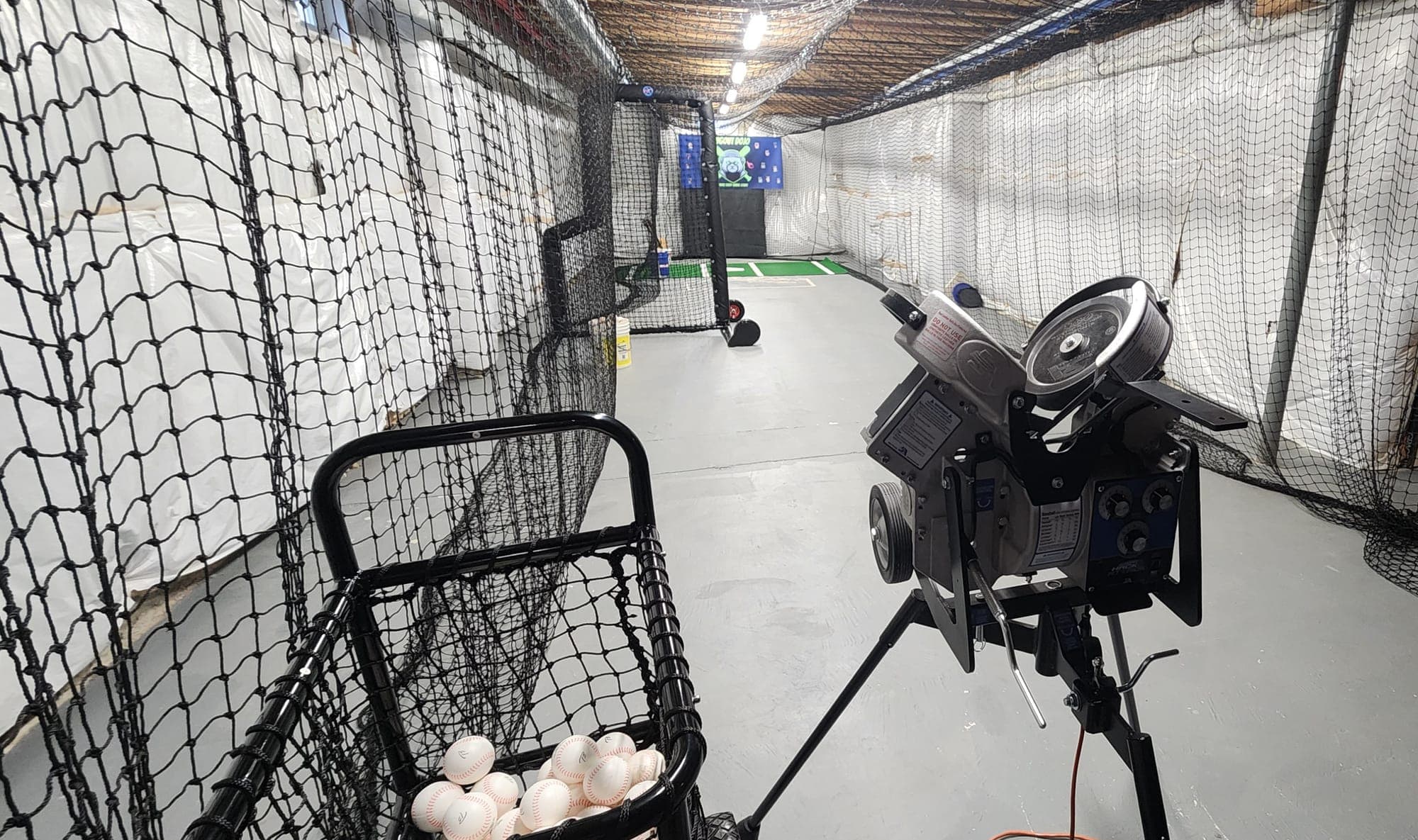
SKLZ Pitching Machine Review: Worth It at $80?
The SKLZ Pitching Machine is one of the cheapest real auto-feed machines on the market. Here is an honest look at what $80 gets you, the rest of the SKLZ lineup, and how it compares to Heater Sports Crusher and Personal Pitcher Pro.
6 min readRead
Run a travel team? Get your free page.
Baseball or softball. Claim a free directory page, post tryouts, and share cagelist.com/@yourteam with families.
Find your league
Free directories of real leagues and clubs near you. Then book a batting cage to get your reps in before opening day.
1,417 organizations
 leagues in 49 statesAdult hardball near you: MSBL, NABA and independent leagues.Browse men's leagues
 leagues in 49 statesYouth baseball and softball leagues, organized by state.Browse little leagues
 programs in 41 statesTravel and club programs in your region. Find one, or list yours free.Browse travel teams
Join the backyard batting cage community
Talk builds, gear, hosting and player development with cage owners, coaches, parents and baseball families.