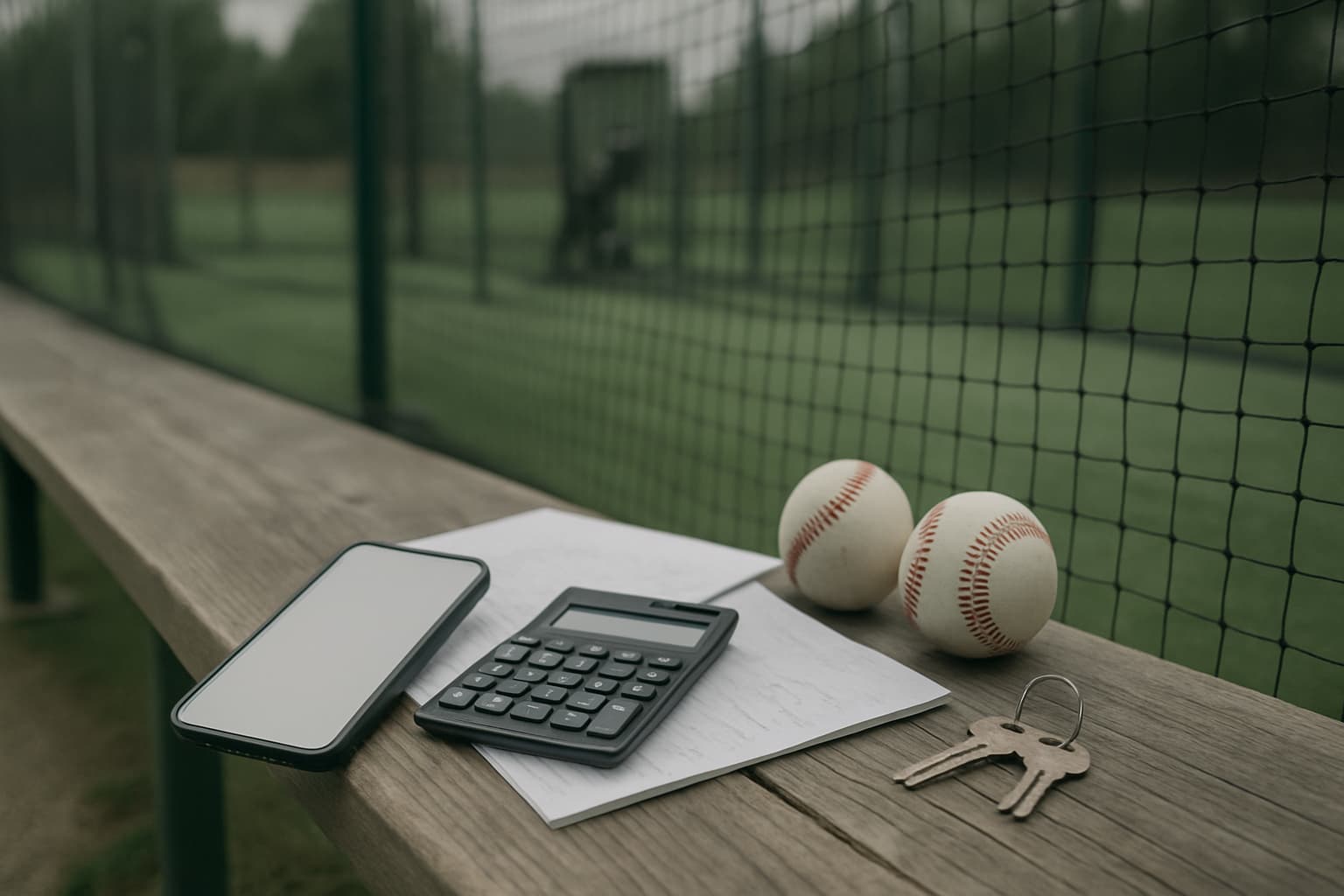
Dreaming of turning your love of baseball into a business? A batting cage facility can be a rewarding venture — but it requires careful planning, real capital, and a clear business model. Here's what you need to know before you invest.
Business Models for Batting Cage Facilities
1. Traditional Commercial Facility
Multiple lanes, hourly rates, potentially combined with coaching services. High upfront investment ($50,000–$500,000+) but established market. Requires commercial zoning, significant marketing, and consistent foot traffic.
2. Backyard Rental (CageList Model)
List your personal batting cage on CageList and earn rental income with minimal overhead. Investment is the cage build ($3,000–$20,000) plus the listing. Low risk, flexible, and scalable. The fastest-growing model in the batting cage space.
3. Hybrid Coaching + Rental
Offer private lessons at your facility and rent the cage independently during off-hours. Maximizes revenue per square foot and leverages your coaching expertise.
Key Financial Considerations
- Build cost: $5,000–$50,000 depending on size and amenities
- Monthly overhead: Insurance, utilities, maintenance
- Revenue potential: $40–$150/hour depending on market and amenities
- Break-even timeline: 6–36 months depending on utilization rate
Legal and Insurance Requirements
- Liability waiver — essential for any rental or commercial operation
- General liability insurance (minimum $1M coverage)
- Check local zoning for commercial use allowances in residential areas
- Business entity formation (LLC recommended for liability protection)
Making It Work on CageList
The most profitable path for most backyard cage owners is listing on CageList. With professional photos, competitive pricing, and fast response times, successful hosts generate $500–$3,000/month in supplemental income with cages they already own.
Final Thoughts
The batting cage business is growing as demand for accessible training space outpaces supply. Whether you're operating a backyard setup or a full commercial facility, the fundamentals are the same: quality equipment, excellent customer service, and smart pricing.
Keep exploring on CageList
- List your batting cage
- Read CageList host resources
- Estimate your cage earning potential
- See how hosting works
How this affects bookings
Guests book faster when they understand exactly what will happen before they arrive. A strong CageList host page answers the practical questions: where to park, how many players can come, what equipment is included, whether baseball or softball is supported, what rules matter, and what kind of session the cage is best for. The clearer the listing, the fewer messages a host has to answer.
Hosts should think like a parent or coach under time pressure. They are comparing drive time, price, safety, photos, equipment, and schedule fit. Anything that reduces uncertainty can improve conversion and reviews.
CageList host lens
The goal is not just to list a cage; it is to make the cage feel trustworthy enough for a first booking and organized enough for repeat bookings. Good availability, accurate photos, clear rules, and fast responses are the compounding advantages.
FAQ
What should every host clarify?
Equipment, parking, bathroom access, guest limits, weather rules, cancellation policy, and what players should bring.
How do hosts get repeat bookings?
Deliver a predictable first session, keep availability current, and make the cage easy for families and teams to schedule again.
Host action step
Pick one thing a guest would ask before booking and make it obvious on the listing. That might be machine speed, guest count, parking, lighting, weather rules, or what players should bring. Small clarity improvements compound because they reduce hesitation for every future visitor.
What separates a durable facility business
The facilities that last usually treat cage time, coaching, memberships, and events as separate revenue lanes instead of expecting one product to carry the whole operation. A parent may need a single rental before tryouts, a travel team may need recurring winter slots, and an instructor may need a predictable place to run lessons. Building packages around those different jobs makes the business easier to understand and easier to sell.
CageList can support that strategy by giving each facility a searchable profile that explains what type of training the space is best for. Clear listing details help a renter decide whether the facility fits baseball, softball, team practice, private instruction, or casual reps before they ever call.
Get the numbers
Get your free batting cage cost estimate
Enter your email and we'll send you an itemized build breakdown — frame, netting, turf, lighting, and install — plus what a cage like yours could earn if you rent it out.
No spam, unsubscribe anytime. Prefer the interactive tool? Open the full cost calculator.
Already have a cage?
Rent it out when you're not hitting
Players, parents, and coaches near you are looking for cage time. Listing is free, you set your own price and hours, and you approve every booking.
Related Guides
View all articles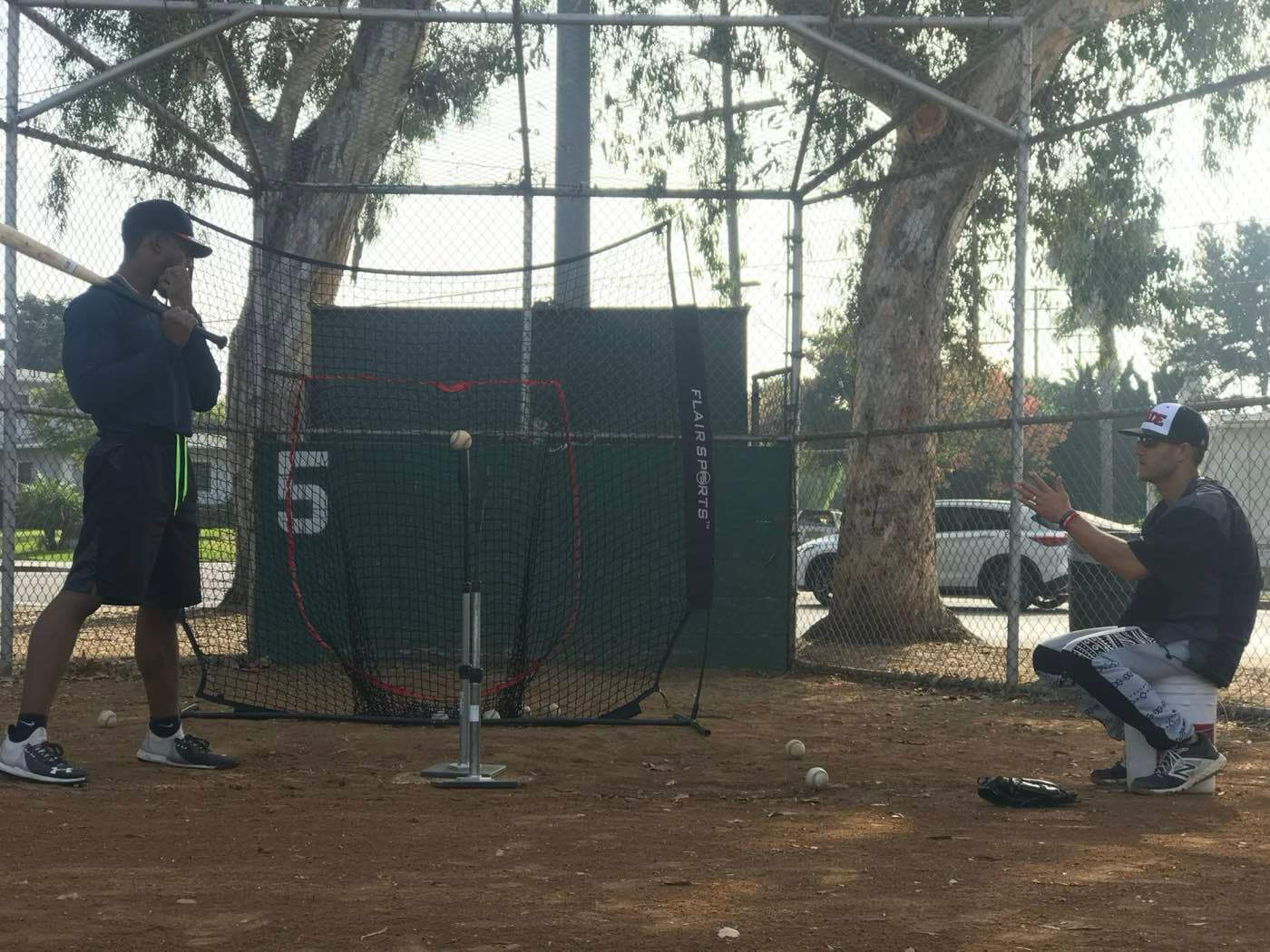
List Your Cage
Can Your Little League Rent Out Its Batting Cage?
Most leagues own a cage that sits idle most of the year. Opening it up is usually allowed — it depends on who owns the ground, what your use agreement says, and what your liability policy covers. Here is how to check all three.
List Your Cage
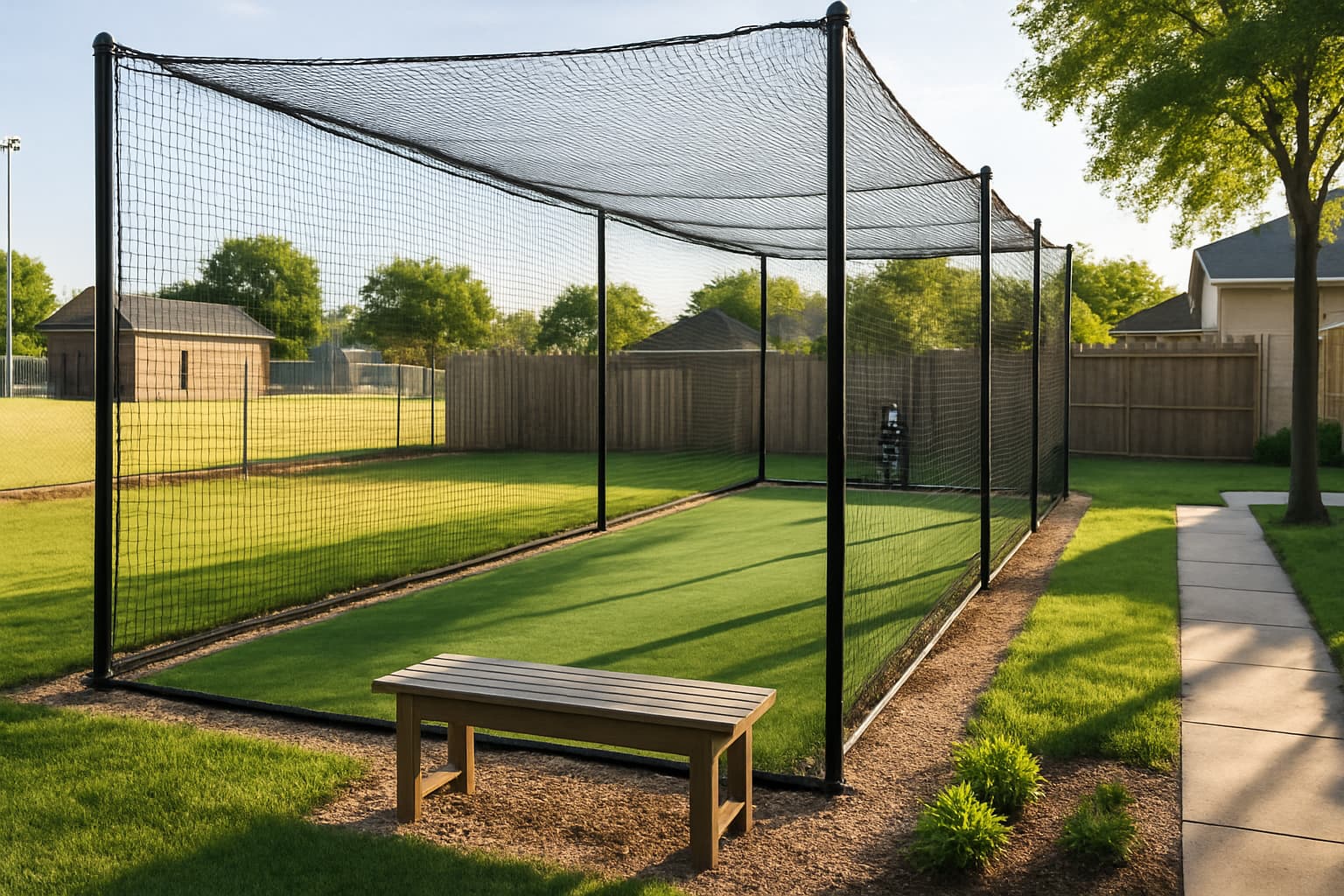
How Much Should You Charge to Rent Out Your Backyard Batting Cage?
Go too high and the calendar sits empty; too low and you leave money on the table. Here is the repeatable way experienced hosts price a backyard cage.
Find & Rent Batting Cages
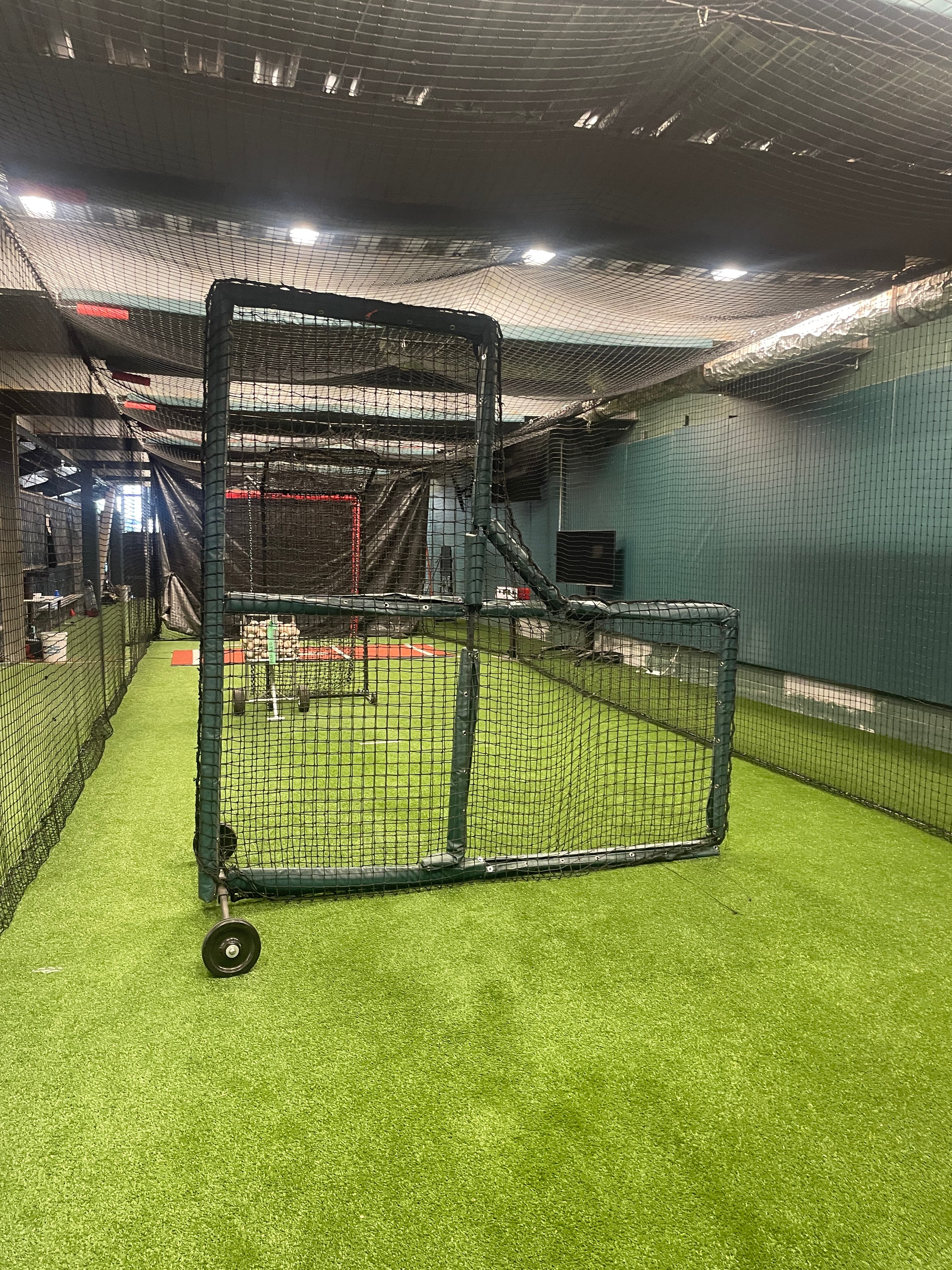
What You Actually Get at a HitTrax Cage in Dick's Sporting Goods
Dick's runs two different services in the same HitTrax cage, and they cost very different amounts. Here is what you get, what it costs, and when a real cage is the better call.
Run a travel team? Get your free page.
Baseball or softball. Claim a free directory page, post tryouts, and share cagelist.com/@yourteam with families.
Find your league
Free directories of real leagues and clubs near you — then book a batting cage to get your reps in before opening day.
1,000 organizations

Join the backyard batting cage community
Talk builds, gear, hosting and player development with cage owners, coaches, parents and baseball families.