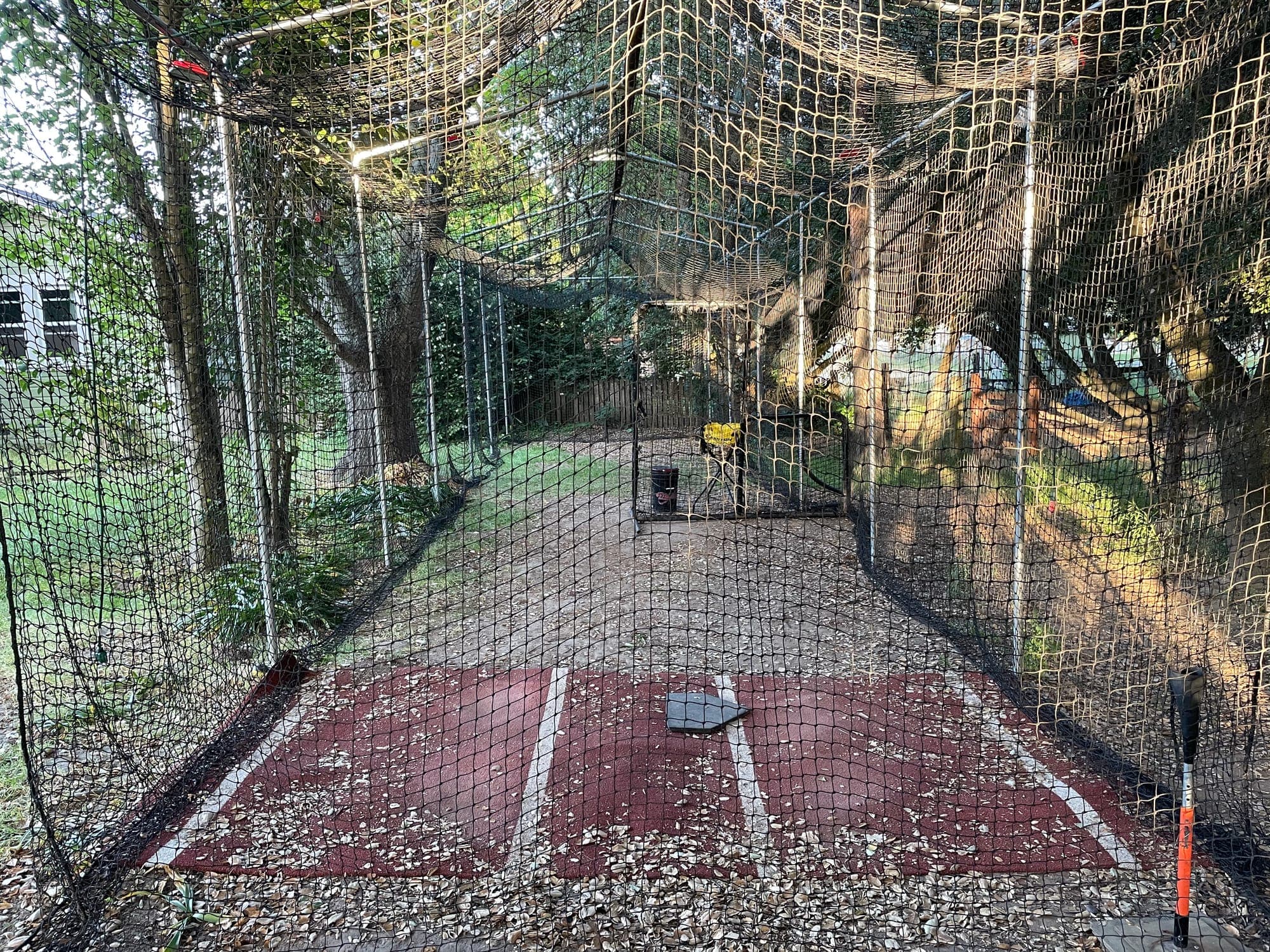
You found a batting cage near you, you’re ready to book, and now you’re wondering what actually happens next. Renting a private cage is one of the easiest ways to get quality reps — but if you’ve only ever hit at a coin-op cage or a team practice, the first time can feel unfamiliar. Here’s exactly what to expect, start to finish.
How booking a cage actually works
It’s closer to booking a stay than feeding quarters into a machine. You search for a cage near you, open a listing to see the photos, the machine, the surface, the house rules, and the hourly rate, then pick an open time on the calendar. Some cages offer instant booking; others send a quick request to the host to confirm. The price you see is all-in, with any fees itemized at checkout, so there are no surprises when you pay. If you’re still comparing options, our how-it-works overview walks through the whole flow.
What to bring
Most private cages provide the big stuff — the pitching machine, the net, and usually the balls — but you’ll want your own gear for the best session:
- Your bat and helmet: Always check the listing, but plan to bring your own.
- Batting gloves: Especially if you’re putting in volume.
- Turf or court shoes: Metal cleats can tear up a host’s turf — many listings ask you to leave them at home.
- Water and a towel: A focused hour goes faster and harder than you think.
When in doubt, the listing’s description and house rules spell out exactly what’s provided and what’s expected.
Cage etiquette 101
Private cages run on trust, and good guests get invited back (and earn the reviews that make future bookings easier). The basics:
- Respect the time window: Start and finish on schedule so the next hitter isn’t waiting.
- Follow the house rules: Speed limits on the machine, shoe rules, and where to park are there for a reason.
- Leave it better than you found it: Pick up balls, close up the net, and reset anything you moved.
- Treat the space like your own: A backyard cage is often someone’s personal setup, not a commercial facility.
Getting the most out of your session
An hour of focused work beats three hours of aimless swings. Go in with a plan: a round to warm up, a few rounds working a specific approach or pitch location, and a competitive round at the end to simulate game pressure. If you’re bringing a young hitter, keep it positive and rep-based — the whole reason to rent a private cage is the freedom to work at your own pace without a line behind you.
A few things worth owning
You don’t need much to make a rental session count, but a few pieces of your own gear pay for themselves fast — and let you keep hitting at home between bookings:
- Batting gloves that fit well save your hands over a long session. The Franklin CFX Pro are a reliable, widely-used pair.
- A portable hitting net like the Bownet Big Mouth X lets you get soft-toss and tee reps in the backyard on days you can’t book a cage.
- Training balls such as weighted practice baseballs add variety to your at-home work.
Affiliate disclosure: As an Amazon Associate, CageList earns from qualifying purchases. Some links above are affiliate links — if you buy through them, CageList may earn a commission at no extra cost to you.
After you hit
When you’re done, leave the host a review. It takes thirty seconds and it’s the currency that makes the whole marketplace work — good reviews help great hosts stay busy and help the next family find a cage they can trust. Then do the best thing you can do for your swing: book your next session. The hitters who improve are the ones who show up again and again. Ready to start? Find a batting cage near you and lock in your first hour.
Book a batting cage near you
CageList helps players, parents, coaches, and teams find private cage time without the runaround.
Related Guides
View all articles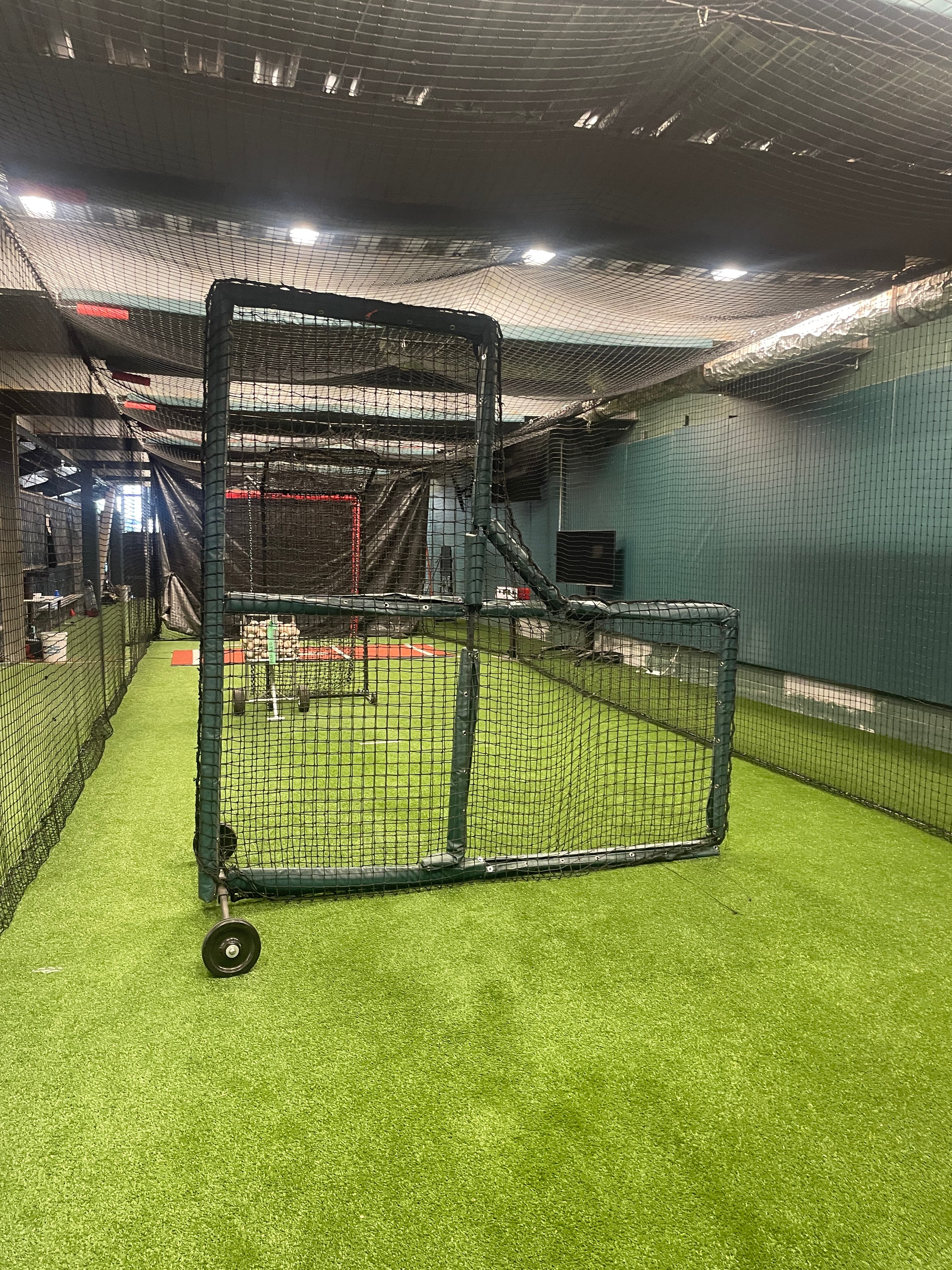
Run a travel team? Get your free page.
Baseball or softball. Claim a free directory page, post tryouts, and share cagelist.com/@yourteam with families.
Find your league
Free directories of real leagues and clubs near you. Then book a batting cage to get your reps in before opening day.
1,417 organizations
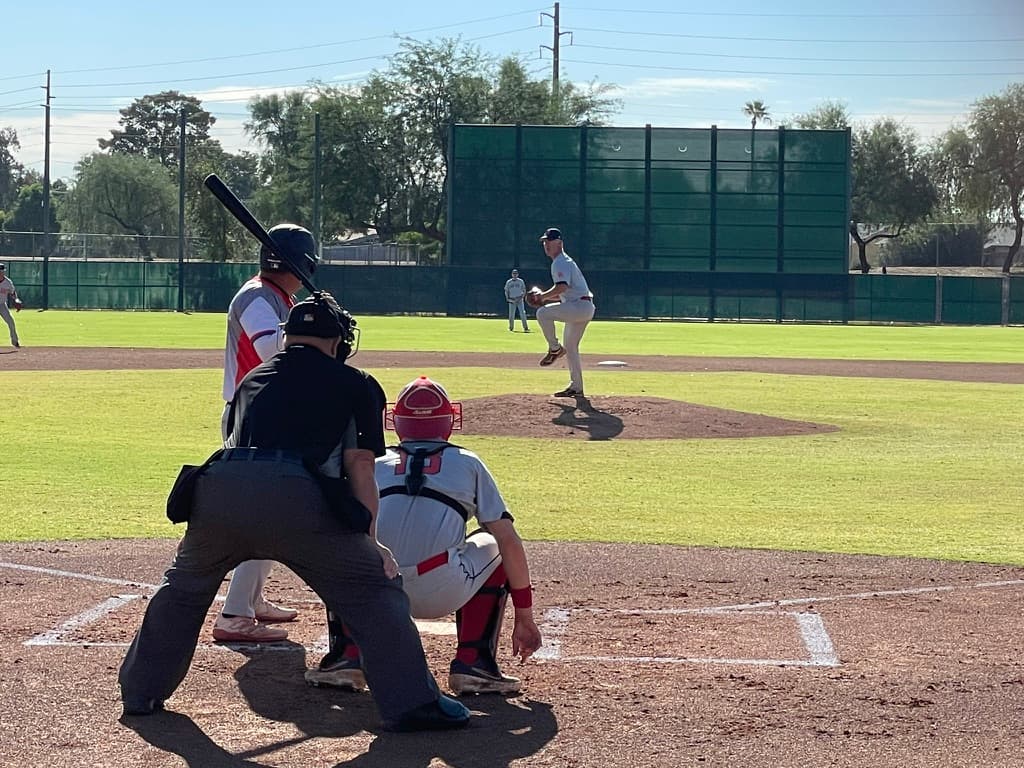 leagues in 49 statesAdult hardball near you: MSBL, NABA and independent leagues.Browse men's leagues
 leagues in 49 statesYouth baseball and softball leagues, organized by state.Browse little leagues
 programs in 41 statesTravel and club programs in your region. Find one, or list yours free.Browse travel teams
Join the backyard batting cage community
Talk builds, gear, hosting and player development with cage owners, coaches, parents and baseball families.